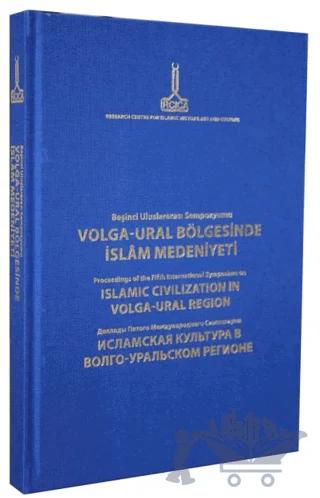
Volga Ural Bölgesinde İslam Medeniyeti Beşinci Uluslararası Sempozyumu Kazan 14 16 Haziran 2012
Kolektif
IRCICA
The fifth symposium on the theme Islamic Civilisation in Volga Ural Region was organized jointly by IRCICA Tatarstan Academy of Sciences Shehabeddin Merdjani Institute and Russia Islamic University Kazan in June 2012 The papers presented dealt with specific topics and eminent figures within the history of thought and trends of modernization in Volga Ural region contacts and exchanges having taken place between the region and various parts of the Muslim world in cultural and educational areas urban and architectural developments in the region and inter cultural influences among others In the preface Dr Halit Eren points to the importance of Volga Ural region in Islamic history The people of the region converted to Islam over time by gettingacquainted with it through contacts with merchants comingfrom Kharezm and Khorassan Encouragedbythisdevelopment Almish Khan rulerof the Bolghar State in the voga region at the beginning of 10th century established relations with the Abbasid Caliphate by sending an envoy to Caliph Muqtedir Billah requesting him to send religious scholars to the Boghar to teach the precepts of Islam The Caliph responded favourably sending an Abbasiddelegation tothe Bolghar State in the year922 Almish Khan convertedtoIslam and his statebecame the first Islamic country in the region The firstaccountof this relationshipis thetravelogueof Ibn Fadlan who was thesecretary tothe Ambassador in this mission tothe BolgharState Afterwards cities were foundedin the region with Islamic institutions such as mosques madrasas andlaw courts Bolghar city itself turnedintoa vibrant commercial center thatdrew merchants from Arab Persian Turkoman Caspian Scandinavian and Russian lands Later after foundation of Kazan city Kazan Khanate became the second Islamic state in the region and Islam maintained its vitality for centuries as one of the most important civilizational traditions These processes and their present heritage are highlighted in